Different Types of Steel Explained: Carbon, Alloy & Stainless Steel

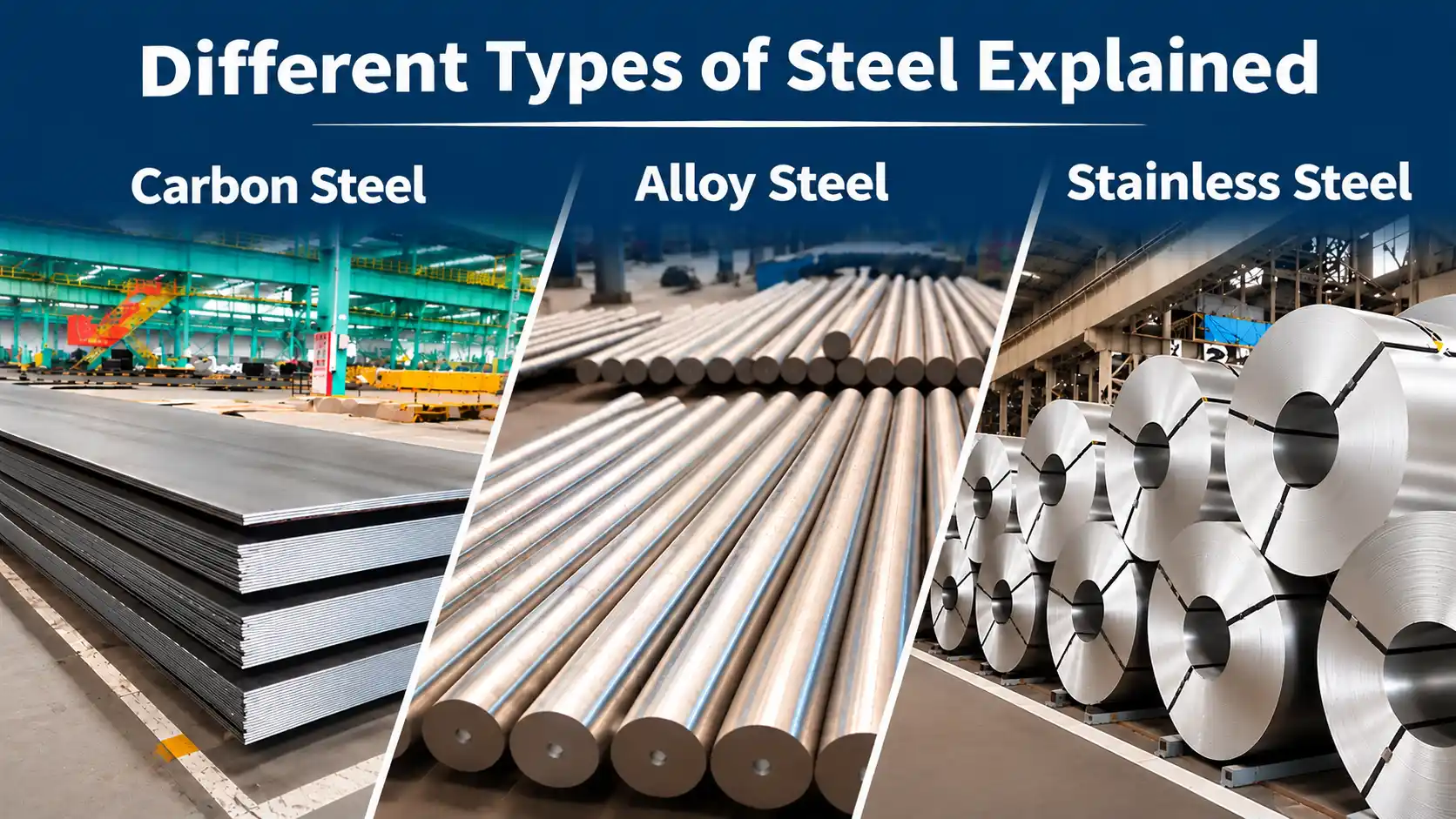
Steel is an iron-based material containing carbon and, depending on the grade, other alloying elements. Its strength, formability, durability, and cost-effectiveness make it widely used in construction, automotive production, machinery, and infrastructure.
However, not all steel types perform the same way. A grade suitable for a building frame may not suit a surgical instrument, cutting tool, or marine component. Understanding the different types of steel helps buyers compare strength, corrosion resistance, fabrication needs, and lifecycle cost before selecting a material.
Steel is commonly grouped into four broad categories: carbon steel, alloy steel, stainless steel, and tool steel. Each category includes many grades designed for specific requirements.
Understanding 4 Different Types of Steel
1. Carbon Steel
Carbon steel mainly contains iron and carbon. It is widely used because it offers a practical balance of strength, formability, and cost.
The main types of carbon steel are:
Low-carbon steel
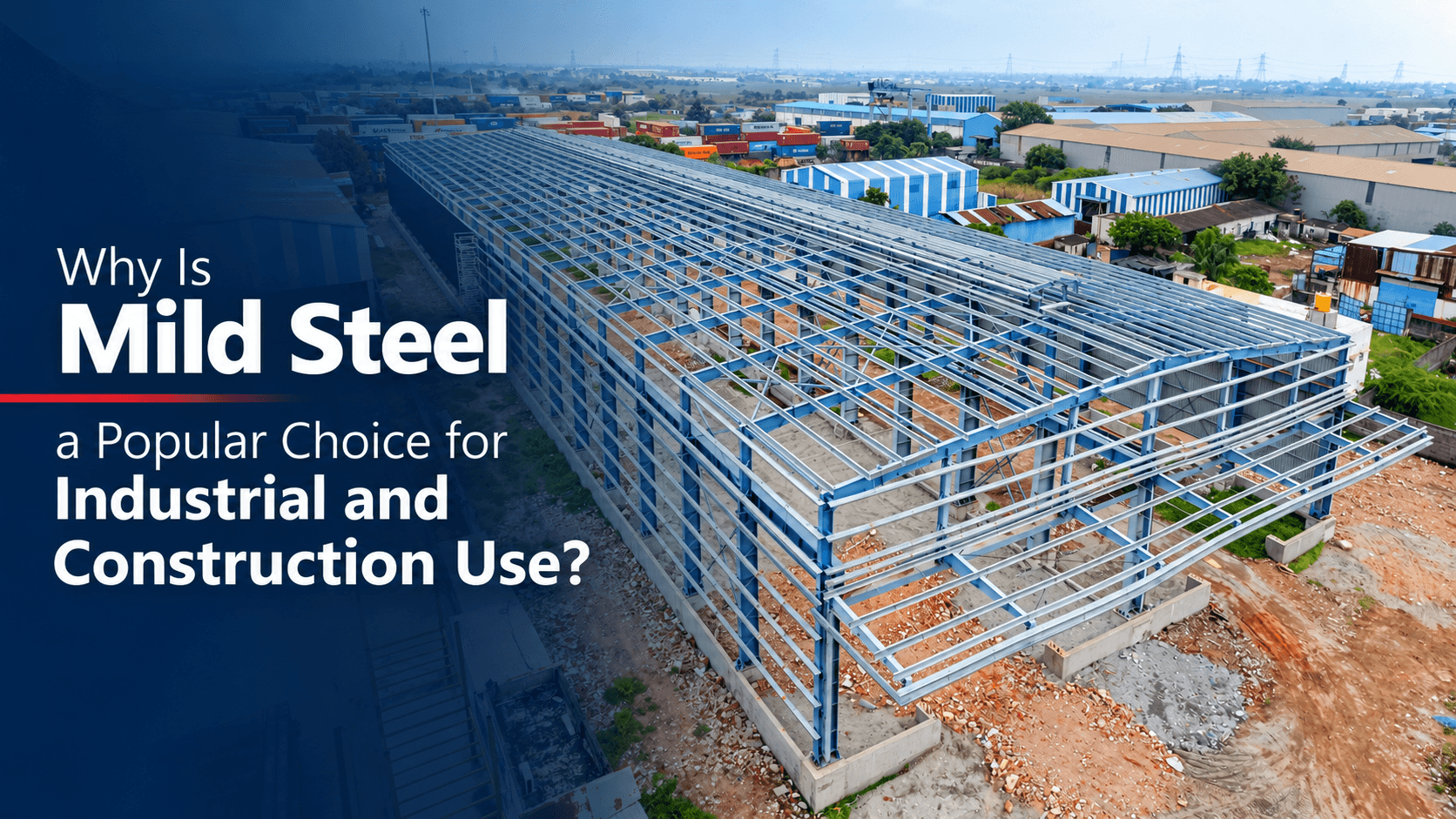
Commonly called mild steel. It is easy to form and weld and is used in structural sections, sheets, pipes, and general fabrication.
Medium-carbon steel
Stronger and harder but less formable. It is used in shafts, gears, axles, and machinery parts.
High-carbon steel
Hard and wear-resistant but less ductile. It is used in springs, wires, knives, and wear components.
Carbon steel is a staple in construction and automotive applications, but its performance depends on the grade, heat treatment, and product form.
2. Alloy Steel
Alloy steel contains intentionally added elements such as chromium, nickel, molybdenum, manganese, or vanadium. These additions can improve strength, toughness, hardenability, wear resistance, heat resistance, or corrosion performance.
Alloy steel ranges from structural grades to highly alloyed materials for pressure equipment, pipelines, gears, heavy machinery, and automotive and aerospace parts.
The term “alloy steel” alone is not enough for purchasing. Buyers should confirm the exact grade, chemical composition, mechanical properties, heat-treatment condition, and applicable standard.
3. Stainless Steel
Stainless steel contains sufficient chromium to form a thin, protective surface layer that improves corrosion resistance. Some grades also contain nickel, molybdenum, or other elements for specific environments and performance needs.
Common stainless steel types include austenitic, ferritic, martensitic, and duplex grades. Grades such as 304 and 316 are not interchangeable; selection depends on temperature, chemicals, chlorides, and hygiene requirements.
Stainless steel is widely used in food-processing equipment, commercial kitchens, healthcare facilities, pharmaceutical plants, chemical processing, architectural applications, and marine environments. Its smooth, cleanable surface also supports applications where hygiene is important.
4. Tool Steel
Tool steel is developed for hardness, wear resistance, toughness, and the ability to retain performance at elevated working temperatures. Its composition may include chromium, tungsten, molybdenum, vanadium, or cobalt.
It is commonly used for cutting tools, dies, punches, blades, and industrial moulds. Categories include cold-work, hot-work, and high-speed grades.
Correct heat treatment is critical. A tool steel grade with excellent potential performance may fail prematurely if it is hardened, tempered, machined, or used incorrectly.
Carbon Steel vs Alloy Steel vs Tool Steel vs Stainless Steel: A Comparison
The table provides a general comparison. Actual performance varies considerably between grades and heat-treatment conditions.
| Factor | Carbon Steel | Alloy Steel | Stainless Steel | Tool Steel |
|---|---|---|---|---|
| Strength | Low to high | Often high and adjustable | Moderate to high | High after heat treatment |
| Hardness | Low to high | Moderate to high | Varies by stainless family | Very high |
| Corrosion Resistance | Generally low without coating | Depends on the alloy | Generally high | Usually limited |
| Heat Resistance | Moderate | Can be high | Good in selected grades | High |
| Machinability | Generally good | Grade-dependent | Often more difficult | Difficult after hardening |
| Cost | Usually lowest | Moderate to high | Higher | Generally high |
| Maintenance | Needs corrosion protection | Depends on grade | Regular cleaning required | Needs correct storage |
| Best Applications | Construction and fabrication | Machinery and energy | Food, healthcare and marine | Cutting tools, dies and moulds |
Steel Fabrication Techniques and Processes
Carbon Steel Fabrication
Carbon steel can be cut, bent, rolled, machined, and welded using common fabrication methods. Low-carbon steel is generally easier to form and weld, while higher carbon content increases hardness and strength but reduces ductility and weldability.
Fabricators should consider thickness, carbon content, heat input, and bend radius. Certain grades may require preheating or controlled welding procedures.
Alloy Steel Manufacturing and Processing
Alloy steels may be cast, rolled, forged, machined and heat-treated. These processes are not exclusive to alloy steel, but their parameters must match the specific alloy. Annealing, normalising, quenching and tempering can change strength, hardness and toughness, so buyers should specify the required delivery condition.
Stainless Steel Maintenance
Stainless steel is corrosion-resistant, not corrosion-proof. Regular maintenance helps preserve its appearance and performance.
- Clean surfaces using water and a mild, non-abrasive detergent.
- Remove dirt, salts, and chemical deposits before they accumulate.
- Avoid carbon-steel brushes or tools that may contaminate the surface.
- Follow the grain direction when cleaning brushed finishes.
- Inspect welds, joints and crevices in aggressive environments.
- Use only suitable cleaning chemicals and rinse thoroughly.
The correct stainless grade, surface finish, and maintenance schedule should match the operating environment.
How to Choose the Right Type of Steel
Before selecting a steel grade, evaluate:
- Intended application: Identify whether the material is required for a structure, machine, tool, pressure component, or hygienic surface.
- Environmental exposure: Consider moisture, chemicals, chlorides, temperature, and outdoor conditions.
- Budget: Compare purchase price with fabrication, coating, maintenance, and expected service life.
- Strength requirements: Confirm yield strength, tensile strength, toughness, and fatigue requirements.
- Corrosion resistance: Decide whether a coating, corrosion-resistant alloy, or stainless steel is necessary.
- Tooling and fabrication: Review weldability, machinability, forming, heat treatment, and available processing equipment.
Always select the material according to the approved drawing, applicable standard, and engineering specification. Product category alone cannot confirm suitability.
Common Industries Using Different Steel Types
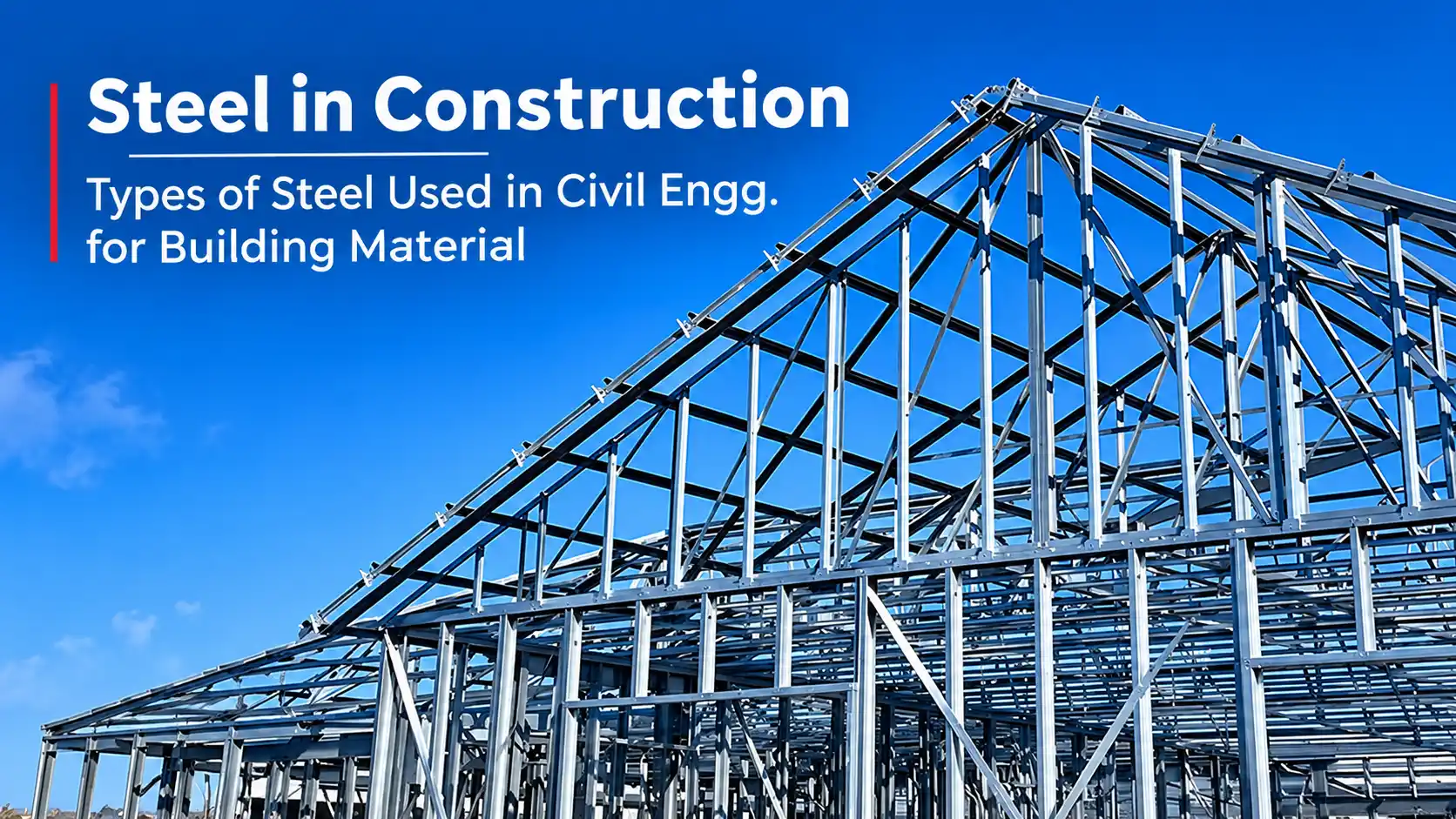
- Construction: Carbon and structural alloy steels for beams, columns, plates and reinforcement.
- Automotive: Carbon, alloy and stainless grades for panels, chassis parts, gears and exhausts.
- Aerospace: High-strength alloy and stainless grades for demanding strength and heat requirements.
- Manufacturing: Carbon and alloy steels for machinery, shafts, gears and fabricated parts.
- Medical: Selected stainless grades for instruments and hygienic equipment.
- Marine: Stainless and corrosion-resistant alloys selected for chloride exposure.
- Industrial tooling: Tool steels for dies, punches, cutting tools and moulds.
Conclusion
Carbon, alloy, stainless, and tool steels serve different purposes. Carbon steel is widely used for construction and general fabrication, alloy steel supports demanding mechanical applications, stainless steel provides corrosion resistance, and tool steel is designed for wear-intensive tooling.
The right choice depends on the application, environment, required properties, fabrication process, maintenance, and total cost. Buyers should always confirm the exact grade and specification before ordering.
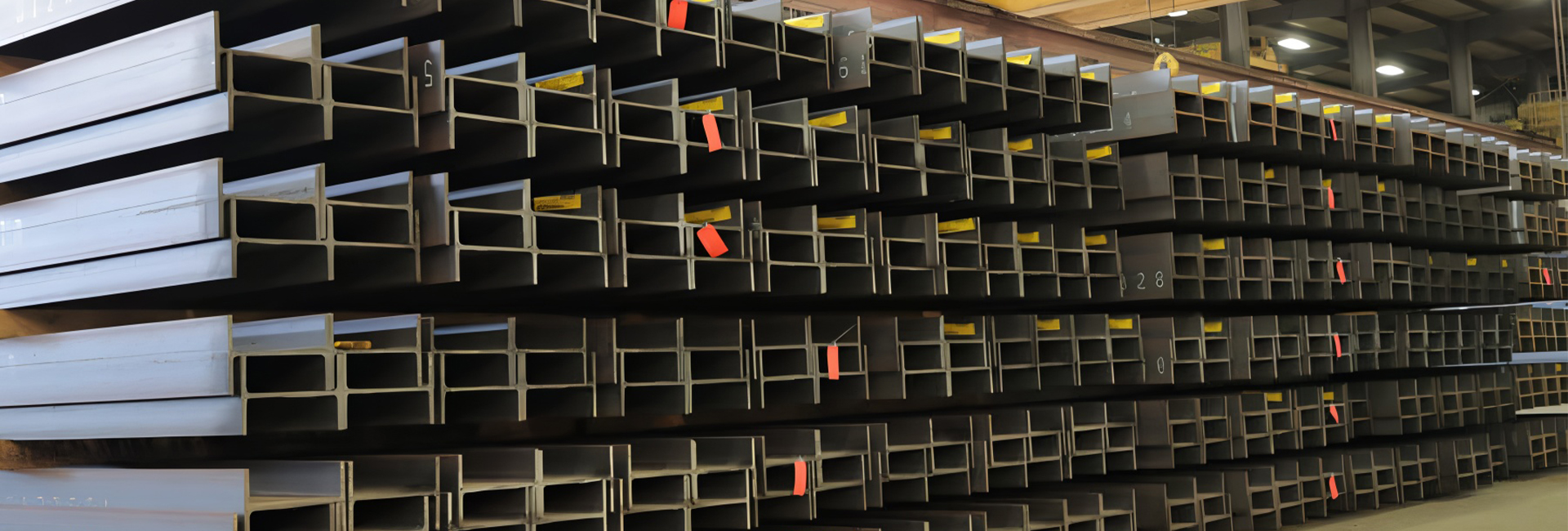
Looking for the right steel for your project? Raunaq Steels Trading Pvt. Ltd. is a leading structural steel stockist, providing a wide range of steel products for construction, infrastructure, and industrial requirements. Share your required grade, size, quantity, and delivery location with our team to check availability and request a quotation.
FAQs About Steel Types
What is the strongest type of steel?
No single steel is strongest for every application. Alloy and tool steels can achieve high strength or hardness, but the best choice also depends on toughness, ductility, and corrosion resistance.
Which steel is best for corrosion resistance?
Stainless steel generally offers better corrosion resistance than ordinary carbon steel. The right grade depends on exposure to moisture, chlorides, chemicals, and temperature.
What makes tool steel different?
Tool steel is formulated and heat-treated to provide high hardness, wear resistance and, in selected grades, performance at elevated working temperatures. It is designed for tools, dies, moulds and cutting applications.
Is stainless steel stronger than carbon steel?
Not necessarily. Strength varies by grade and treatment. Stainless steel generally provides better corrosion resistance, but buyers should compare grade-specific mechanical properties.
Which steel is best for machining?
Buyers often select free-machining carbon and alloy grades for efficient machining. Machinability depends on composition, hardness, heat treatment, and the required finish, so the exact grade should match the component and process.
What is the difference between hot-rolled and cold-rolled steel?
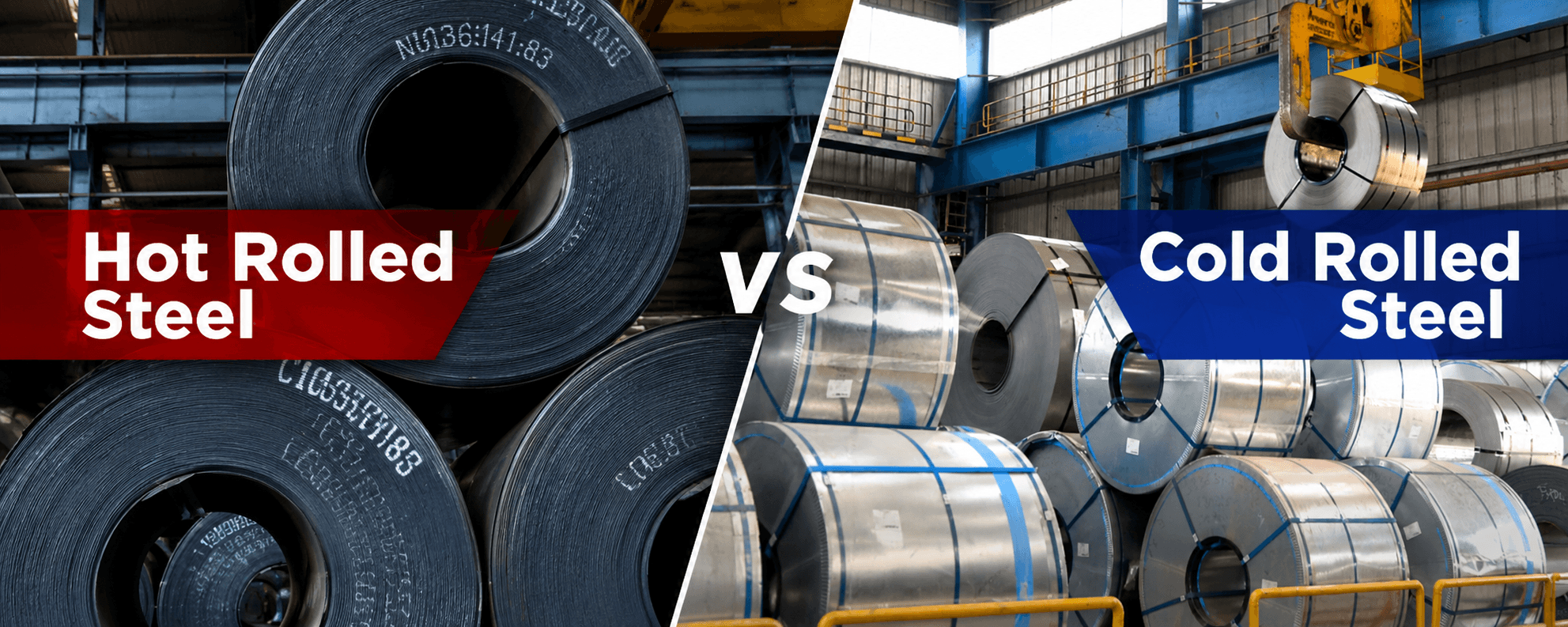
Hot-rolled steel is rolled at high temperatures and is generally more economical for structural and heavy fabrication uses. Cold-rolled steel undergoes additional processing at or near room temperature, providing a smoother finish and tighter dimensional tolerances. Hot-rolled and cold-rolled describe processing routes, not the four broad steel categories. Raunaq Steels is South India’s leading hot-rolled (HR) and cold-rolled (CR) supplier.