
Why Is Mild Steel a Popular Choice for Industrial and Construction Use?

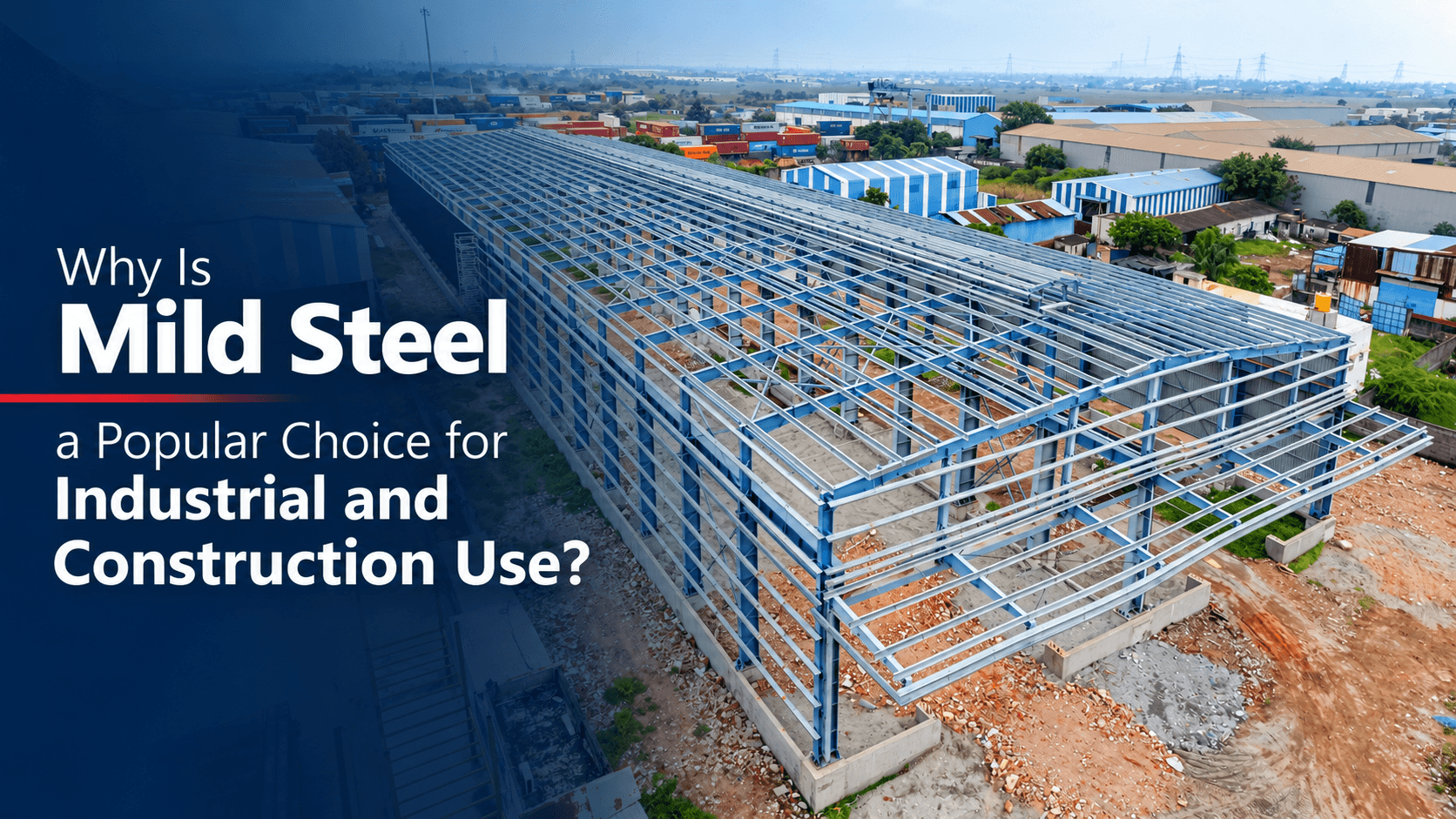
Mild steel is one of the most commonly used steel materials across construction, fabrication, and industrial applications. Its strength, formability, weldability, and cost-effectiveness make it suitable for a wide range of applications, from structural frameworks to machinery components.
Also known as low-carbon steel, mild steel contains a relatively low percentage of carbon compared with many higher-carbon steels. This gives the material a useful balance of strength and flexibility while making it easier to cut, bend, form, and weld.
Mild steel’s wide range of uses and versatility are key reasons it remains widely specified for industrial and construction projects.
What Is Mild Steel?
A flat mild steel is a type of carbon steel with relatively low carbon content. Its lower carbon level provides good ductility, weldability, and formability, making the material easier to process for different project requirements.
Depending on the grade and specification, mild steel can come in plates, sheets, coils, beams, channels, angles, flats, and other structural sections.
So, what is mild steel used for? Applications range from building structures and industrial equipment to general fabrication, machinery supports, storage systems, and infrastructure components.
Always select the appropriate product form, grade, and thickness based on the project’s structural, fabrication, and performance requirements.
Properties of Mild Steel
Understanding mild steel properties and uses helps buyers and engineers determine where the material is suitable.
Some of its key characteristics include:
- Strength: Mild steel provides sufficient strength for many general structural and industrial applications when the appropriate grade and section are selected.
- Flexibility and ductility: It can withstand forming and bending without becoming excessively brittle, making it useful for fabrication work.
- Easy weldability: Mild steel is generally suitable for common welding processes, which makes it practical for structural fabrication and engineering applications.
- Good formability: Plates, sheets and other mild steel products can be cut, bent or processed into different shapes and dimensions.
- Cost-effectiveness: Compared with many specialised alloy steels, mild steel offers a practical balance between material performance and procurement cost.
One consideration is corrosion protection. Where steel will be exposed to moisture or outdoor conditions, appropriate coatings, painting, galvanising or other protective measures may be required depending on the application.
Mild Steel in the Construction Industry
Why is mild steel used in building and construction? Mild steel is widely used in construction because projects require materials that combine structural performance with fabrication flexibility.
Mild steel products can be used in applications such as:
- Structural frameworks
- Beams and supporting members
- Channels and angles
- Plates for structural fabrication
- Industrial buildings and sheds
- Platforms and supporting structures
- General construction fabrication
One reason builders use mild steel in construction is that they can fabricate and join structural components according to project drawings and engineering requirements.
For builders, EPC contractors, and fabricators, the availability of multiple product forms also makes it easier to procure material suitable for different parts of a project.
Applications of Mild Steel
Mild steel applications extend beyond construction. Its versatility supports several industrial and engineering requirements.
Construction
Mild steel is used for structural frames, support systems, fabricated components, platforms, sheds, and other building-related requirements.
Industrial Applications
Industrial facilities use mild steel for machinery frames, equipment supports, fabrication work, maintenance structures, and production-related components.
Infrastructure
Depending on project specifications, mild steel products may be used in bridges, industrial sheds, transportation infrastructure, supporting structures, and other civil engineering applications.
Fabrication
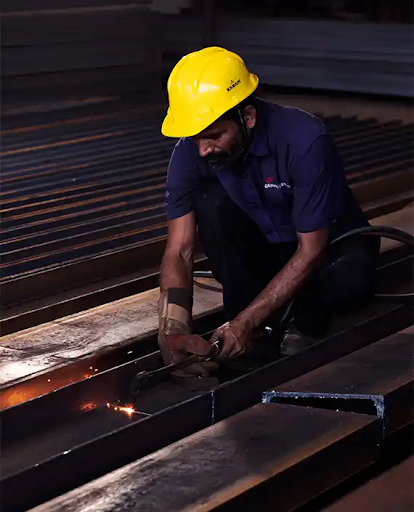
Its weldability and formability make mild steel suitable for general fabrication, including brackets, frames, supports, structural assemblies, and engineering components.
Determine the exact grade, size, and specification based on design requirements rather than selecting material based only on the general application.
MS Plate Uses
MS plates are commonly used mild steel products for structural, fabrication, and industrial applications. Common MS plate uses include:
- Heavy structural fabrication
- Machinery and equipment components
- Industrial structures
- Base and support plates
- Storage tanks and fabricated systems
- Construction-related fabrication
- Plant and engineering projects
Plate thickness, dimensions, and grade can vary depending on load conditions, fabrication requirements, and project specifications.
MS flats are another mild steel product used for support brackets, gussets, base plates, machine mounts, and general fabrication. Raunaq Steels lists MS flats among its mild steel product offerings and highlights their ductility, weldability, and formability for general-purpose fabrication. We specialise in high-performance steel fabrication services for various industrial applications, including construction projects.
Advantages of Mild Steel
Several practical advantages explain why mild steel remains widely used across industries.
Cost-effective
Mild steel offers an economical solution for many general-purpose applications where specialised alloy properties aren’t required.
Widely available
Mild steel comes in multiple forms, sizes, and grades for construction, industrial, and fabrication needs.
Versatile
Mild steel can be used across buildings, industrial structures, machinery, fabrication and infrastructure projects.
Easy to fabricate
Its weldability and formability support cutting, bending, joining, and other processing operations.
Suitable for multiple product forms
Buyers can source mild steel in plates, structural sections, flats, coils, and other forms according to project requirements.
These benefits make mild steel a practical material choice, provided that the appropriate grade and specification are selected for the intended application.
Conclusion
Mild steel remains widely used because it offers a practical combination of strength, flexibility, weldability, availability, and cost-effectiveness. From structural construction and industrial equipment to fabrication and infrastructure applications, its versatility meets a broad range of engineering requirements.
However, the right mild steel product depends on factors such as grade, dimensions, load requirements, fabrication process, and end-use conditions.
Raunaq Steels is a structural steel distributor and stockist that supplies MS plates, structural steel products, coils, and other steel products for industrial and construction needs. The company also provides steel processing capabilities for project-specific requirements.
Need mild steel for your project? Contact Raunaq Steels to discuss your specifications and request a quote.
FAQs
What is mild steel used for?
Mild steel is used in construction, structural fabrication, machinery, industrial equipment, support structures, and general engineering applications because of its strength, ductility, weldability, and formability.
Why is mild steel used in construction?
Mild steel is widely used in construction because it provides a practical balance of structural strength, fabrication flexibility, availability, and cost-effectiveness. It comes in several forms, including plates, beams, channels, angles, and flats.
What are the main properties of mild steel?
Important properties of mild steel include good ductility, weldability, formability, and adequate strength for many general structural and industrial applications. The exact properties vary by grade and specification.
Where are MS plates used?
MS plates are commonly used in structural fabrication, heavy structures, industrial equipment, base plates, storage tanks, machinery components, and other construction and engineering applications.