Steel in Construction: Types of Steel Used in Civil Engg. for Building Material

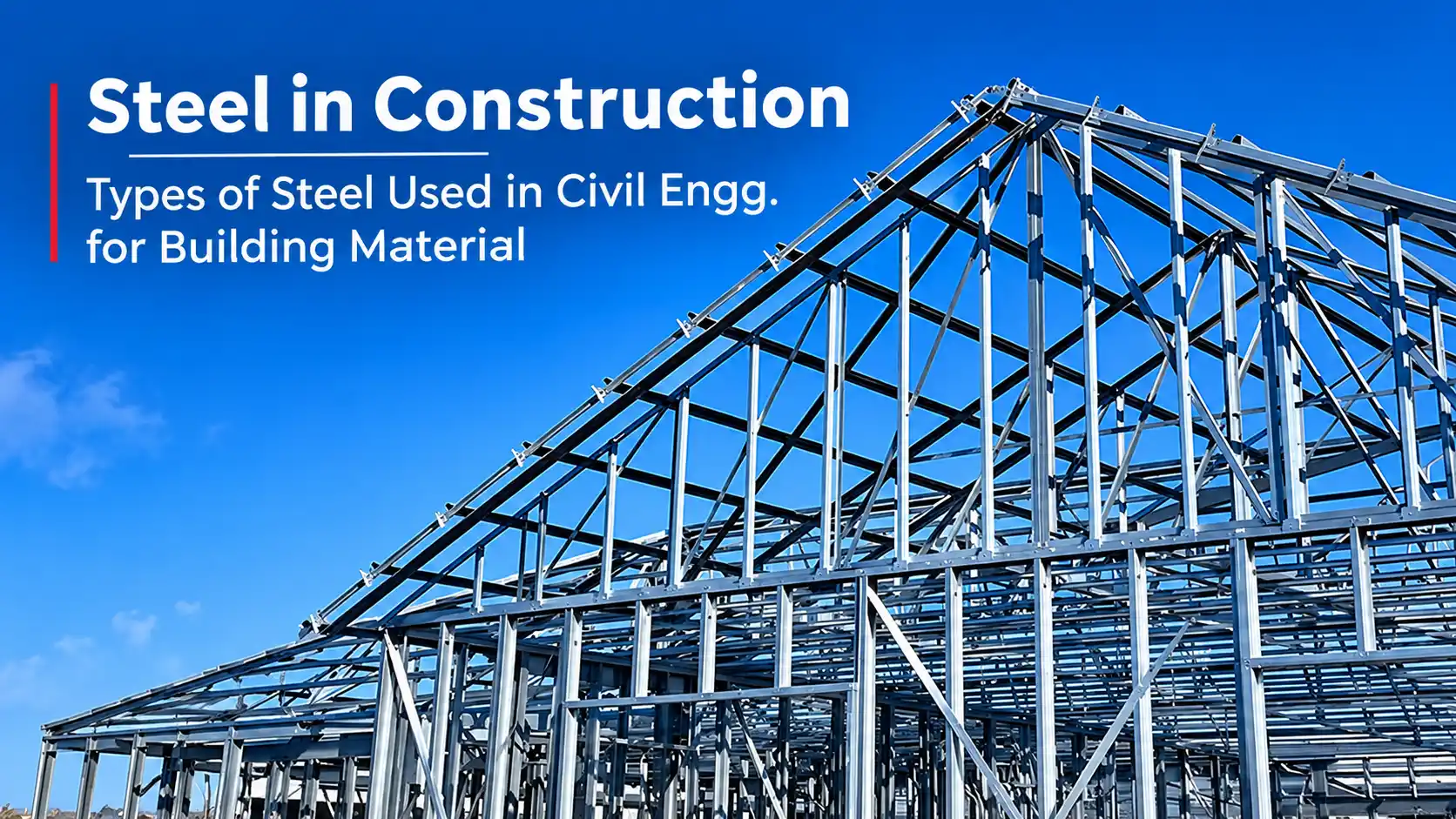
Steel plays an essential role in India’s modern infrastructure growth. From residential buildings and industrial warehouses to bridges, airports, and metro projects, steel in construction provides the strength and flexibility needed for different structural requirements.
Its high strength-to-weight ratio, predictable properties, faster assembly, and recyclability make steel one of today’s most important construction materials. However, every project must use the correct grade, product form, and protection system. This article explains the types, advantages, and major applications of steel in residential, commercial, and industrial construction.
Why Steel Is Important in Modern Construction
Steel serves as the main structural system or complements concrete and other building materials. Its key benefits include:
- High strength-to-weight ratio: Steel can carry significant loads without requiring excessively heavy structural members.
- Durability: Correctly designed and protected steel structures can provide a long service life.
- Design flexibility: Beams, columns, plates, and sections can support large spans and complex layouts.
- Faster construction: Prefabricated steel components can be manufactured off-site and assembled quickly.
- Adaptability: Steel structures can often be extended, modified, or reused when requirements change.
- Recyclability: Steel can be recovered and recycled, supporting circular construction practices.
These benefits depend on proper engineering, fabrication, erection, corrosion protection, and maintenance.
Raunaq Steels offers end-to-end steel fabrication services, ensuring seamless execution from design to assembly.
Why India Is Increasingly Using Steel in Construction
India’s urban development and infrastructure investment are creating demand for efficient construction methods. Steel supports this growth in several areas:
- Smart-city and public infrastructure projects
- High-rise commercial and residential buildings
- Metro, railway, airport and bridge development
- Industrial plants, logistics parks and warehouses
- Pre-engineered and modular buildings
Off-site fabrication and faster site assembly are particularly useful when construction schedules are tight. Steel also helps designers create longer spans and flexible floor layouts for commercial and industrial facilities.
Types of Steel Used in Construction
Steel plays a crucial role in modern construction, offering strength, durability, and structural stability across various applications. Understanding the different types of steel helps builders and contractors choose the right materials for buildings, infrastructure, and industrial projects.
1. Mild Steel
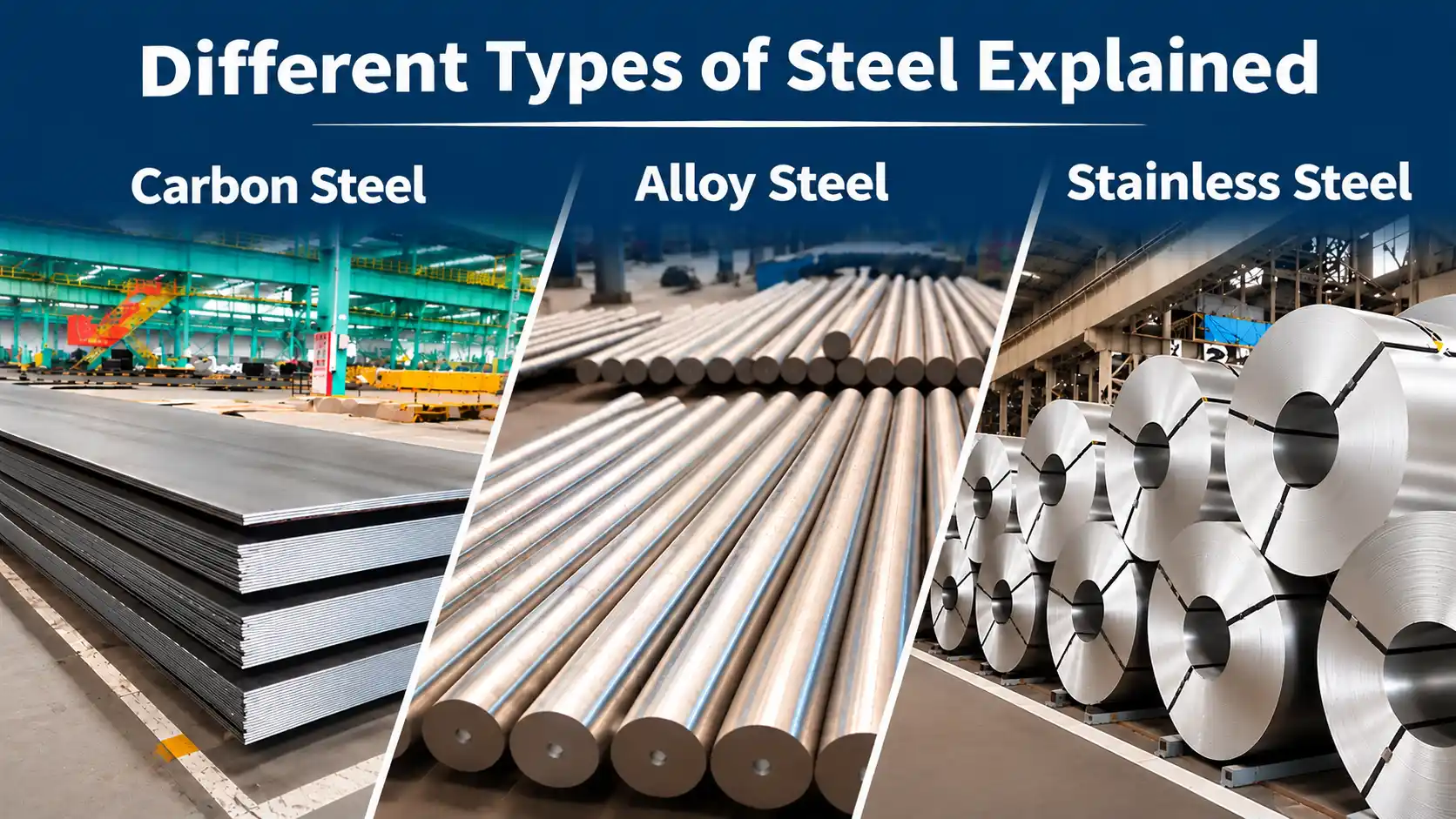
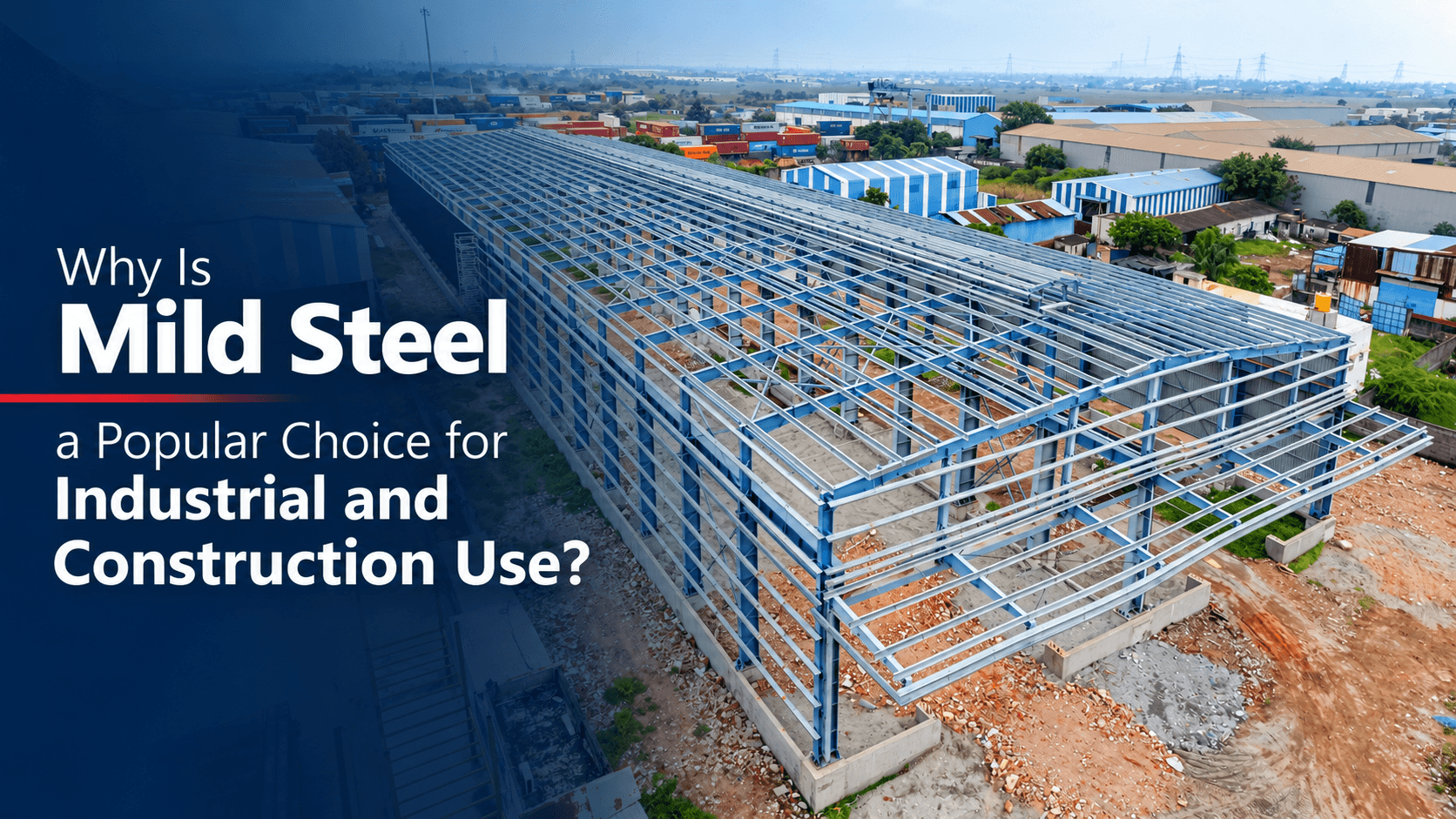
Mild steel is a low-carbon material known for its affordability, ductility, and ease of welding and fabrication. It is one of the most common types of steel used in construction and is found in structural sections, plates, bars, and general frameworks.
The exact grade must match the structural drawing and applicable standard; “mild steel” alone is not a complete procurement specification.
You might want to read more about mild steel properties, applications & uses.
2. Carbon Steel
Carbon steel offers a practical balance of strength, availability, and cost. Depending on its carbon content and processing, it is used in structural members, plates, pipes, machinery supports, and heavy-duty industrial components.
3. Stainless Steel
Stainless steel provides improved corrosion resistance and is used in coastal, commercial, hygienic, and architectural applications. Common uses include handrails, façades, drainage systems, water lines, and selected structural components. Choose the correct grade based on moisture, chlorides, chemicals, and maintenance conditions.
4. Reinforcement Steel (TMT Bars)
TMT bars reinforce concrete in foundations, columns, beams, and slabs. Concrete performs well under compression, while reinforcement helps it carry tensile forces.
In seismic construction, the specified grade, ductility, anchorage, detailing, and workmanship must work together. TMT bars alone do not make a building earthquake-resistant; the complete structure must be designed and constructed according to the applicable code.
5. Structural Steel
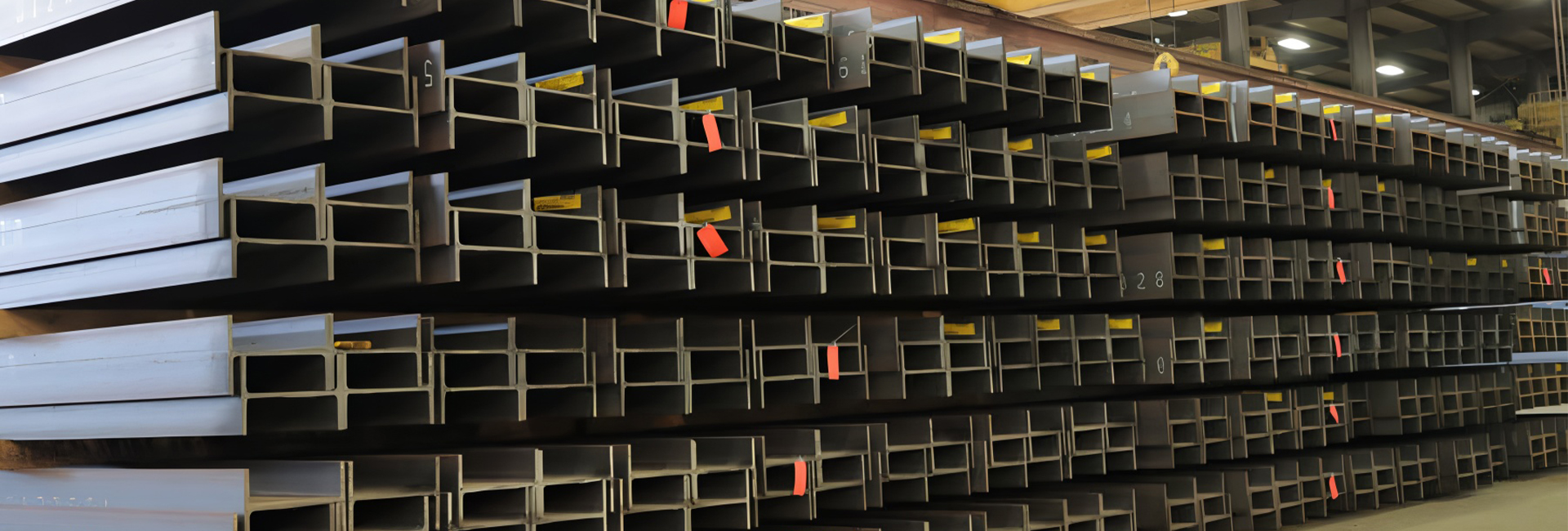
Structural steel includes H-beams & I-beams, channels, angles, plates, and other sections used in frames, bridges, and large buildings. Select products based on load, span, connection method, and project specifications.
6. Alloy Steel
Alloy steel contains elements added to improve properties such as strength, toughness, wear resistance, or heat performance. It is used in specialised construction equipment, high-strength components, fasteners, and demanding industrial applications.
Major Uses of Steel in Modern Construction
Structural Frameworks
Steel columns and beams form the primary frames of commercial buildings, industrial facilities, and high-rises. Their strength allows longer spans and flexible internal layouts while supporting faster erection.
Reinforcement in Concrete
TMT bars are widely used in reinforced cement concrete (RCC) foundations, slabs, beams, columns, and infrastructure elements. Correct bar grade, diameter, spacing, cover, and placement are essential for structural performance.
Roofing and Cladding
Coated steel sheets are used for roofs and wall cladding in warehouses, factories and industrial sheds. They are lightweight, quick to install, and available in different profiles and finishes.
Bridges and Flyovers
Steel plates, girders, beams, bearings, and reinforcement are used in bridges and flyovers. Material selection depends on load, fatigue, weather exposure, fabrication and inspection requirements.
Pre-Engineered Buildings
PEBs use factory-fabricated steel frames and components assembled at the site. They are popular for warehouses, factories, workshops and logistics facilities because they offer rapid installation, design flexibility and future expansion options.
Industrial Construction
Factories, plants and warehouses use steel for frames, platforms, walkways, equipment supports, tanks and process structures. Industrial projects often require specific grades, testing and documentation.
Railways, Airports and Metro Projects
Transportation infrastructure uses structural sections, plates, reinforcement, roofing, and fabricated steel components in stations, terminals, bridges, depots, and supporting structures.
Residential Buildings
Residential projects use TMT reinforcement, structural sections, pipes, roofing, and light-gauge steel framing. Modular, lightweight steel systems can support faster construction when designed correctly.
Advantages of Steel Used in Construction
- Strength and load-bearing capacity: Suitable grades can support heavy structural loads and long spans.
- Construction speed: Prefabrication and bolted or welded assembly can reduce site time.
- Seismic performance: Properly designed ductile steel systems can absorb and redistribute energy during an earthquake.
- Fire design: Steel is non-combustible, but its strength reduces at elevated temperatures. Fire-resistant coatings, encasement, or other protection may be required by the design.
- Cost efficiency over time: Faster erection, adaptability, and recyclability can improve lifecycle value.
- Low maintenance: Maintenance can be manageable when the correct coating, galvanisation or corrosion-resistant grade is used and inspected periodically.
Steel vs Concrete in Construction
| Factor | Steel | Concrete |
|---|---|---|
| Strength | High strength-to-weight ratio | High compressive strength |
| Construction Speed | Fast with prefabricated components | Slower due to formwork and curing |
| Durability | Long-lasting with suitable corrosion and fire protection | Durable when correctly designed and constructed |
| Flexibility | Easier to modify, extend, and create long spans | Less flexible after casting |
| Sustainability | Highly recyclable and reusable in some applications | Can use local materials but is harder to reuse structurally |
| Maintenance | Requires inspection and corrosion/fire protection where needed | May require crack, spalling, and reinforcement-corrosion repairs |
Neither material is universally better. Many modern buildings use composite steel–concrete systems to benefit from both materials’ strengths.
Steel Construction Trends in India
- Greater use of pre-engineered and modular structures
- Growth of high-rise and long-span steel construction
- Demand from smart-city and transport infrastructure projects
- Increased focus on recyclable and lower-impact building materials
- Use of digital design, factory fabrication and automated processing
- Expansion of green-building and lifecycle assessment practices
Common Steel Products Used in Building Construction
- TMT bars and reinforcement mesh
- Steel pipes and tubes
- H-beams & I-beams
- MS Channels
- MS Angles
- Steel plates and sheets
- Columns and fabricated sections
- Wire rods and mesh
- Coated roofing and cladding sheets
Order every product by the correct grade, size, thickness, standard, quantity, and delivery condition.
Safety Standards and Quality Considerations
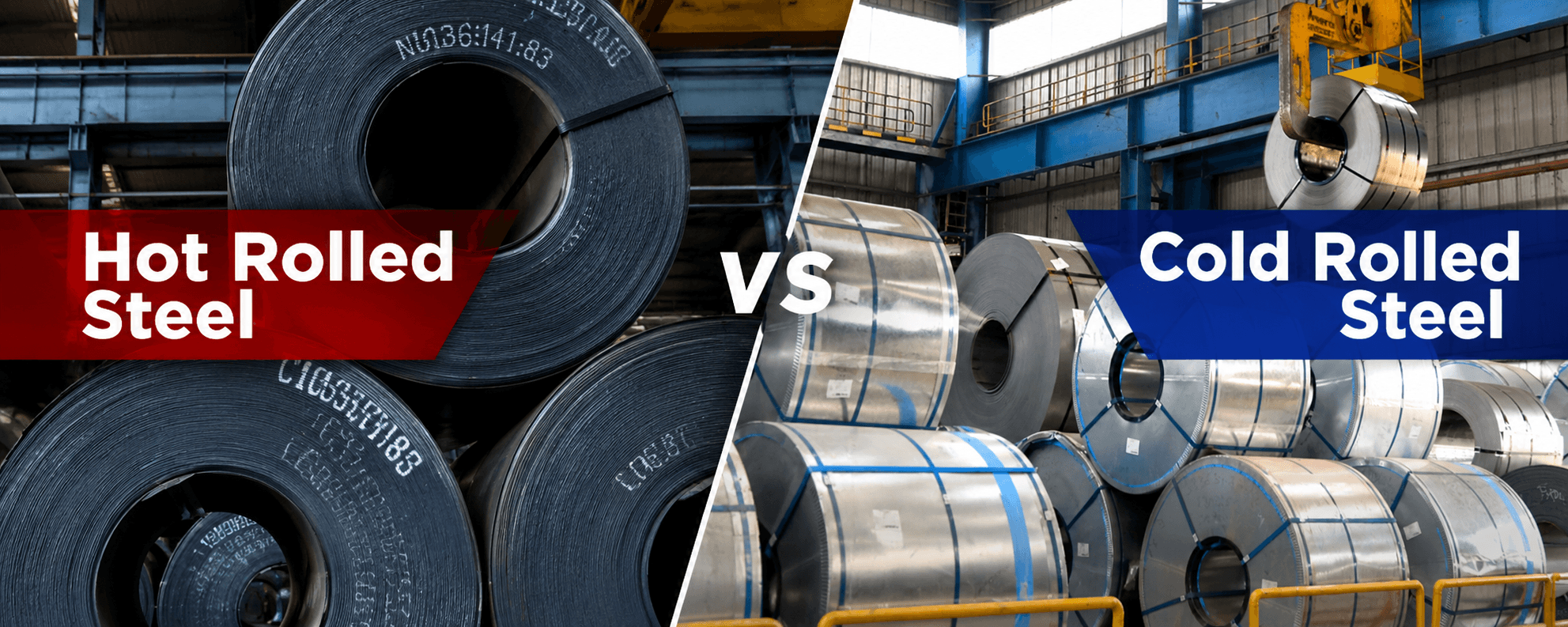
Construction steel must meet the standard and project specification stated by the engineer or consultant. In India, commonly referenced product standards include IS 2062 for hot-rolled structural steel and IS 1786 for high-strength deformed reinforcement bars and wires.
- Before accepting a supply, buyers should check:
- Grade, size and product markings
- BIS/ISI information where applicable
- Mill test certificate and batch traceability
- Chemical and mechanical test results
- Surface condition and dimensional tolerances
- Project-specific inspection or testing requirements
Corrosion protection may include painting, protective coatings, galvanisation or a corrosion-resistant material grade. The correct method depends on the environment, expected service life and maintenance plan.
Conclusion
Steel supports India’s residential, commercial, industrial and infrastructure development through structural frames, reinforcement, roofing, bridges, PEBs and transportation projects. Its strength, speed, flexibility, and recyclability make it an important modern building material.
Safe, durable construction begins with selecting the right steel grade, product, documentation, and protection system. Raunaq Steels Trading Pvt. Ltd., a structural steel supplier, distributor, and stockist, supplies steel products for construction and industrial requirements. Share your required grade, size, quantity, and delivery location with the team to check availability and request a quotation.
FAQs
Why is steel widely used in construction?
Steel combines strength, design flexibility, faster assembly, durability, and recyclability. It is available in many grades and product forms for residential, commercial, industrial, and infrastructure projects.
What are the main types of steel used in construction?
Common types include mild steel, carbon steel, reinforcement steel, structural steel, stainless steel, and selected alloy steels. The correct type depends on the application and engineering specification.
Is steel better than concrete for buildings?
Neither is better for every project. Steel supports fast construction and long spans, while concrete provides strong compression performance and fire resistance. Many buildings use both materials together.
What is structural steel used for?
Structural steel is used for beams, columns, frames, bridges, industrial sheds, platforms, and large buildings. Engineers select the required section and grade based on the design loads.
Why are TMT bars important in India?
TMT bars reinforce concrete in foundations, columns, beams, and slabs. When specified and detailed correctly, they add strength and ductility to RCC structures.